
Showing posts with label G321 Preliminary task. Show all posts
Showing posts with label G321 Preliminary task. Show all posts
Tuesday, 13 November 2012

Monday, 8 October 2012
How To Shoot A Conversation
The best way to shoot a conversation is simply to use the right shots, by using some of the shots it creates the surroundings of the conversation and builds on making the shot more interesting because some people might get bored of simple dialogue. When filming a conversation usually there will be only one camera involved meaning that you would take 4 different shots, the master shot, character 1, character 2 etc. and pick up shots. when two cameras are involved though, you would only take two shots, the master shot and pick ups with one camera, and character 1, character 2 etc. with the other.
 The master shot is the shot that would be the main part which focuses on both of the characters along with the surroundings and anything else that would be need in the shot. most of a conversation scene would use the master shot shots, but using the other shots give variety and makes it more interesting for the viewers. this example of an master is from the newly release film 'Looper' where the main character (Joe) is talking to his older self in a diner. In this situation they would film the of scene like this all in one take so that the have a main shot were they can then film and add extra shots in to it. Unlike many other master shots, this one is focusing on them at an angle almost like an over the shoulder shot.
 The shot used in the scene is the character 1 shot, were it focuses on one of the particular characters as they speak or show some sort of emotion when spoken to. These scenes help to understand who is the one talking and focusing on the face of the person is a good way to show of the characters facial expresses which can lead to people think they are lying or are worried etc. This particular film uses the character shot more effectively as it is also an over the shoulder shot, which is a very famous and well known way of putting variety in to a film, doing this also gives you the feeling of actually being there and being spoken to which can build up the tension when watching and understanding the film. The character 2 shot, is very similar as it uses all the same techniques including over the shoulder.
 The final shot i want to include is the final part of the scene which is a pan shot. the pan shot goes across the diner as the older Joe drags Joe of over the table and knocks him out, although this shot is moving it does still involve all the over shots such as, the over the shoulder shot at the start of the pan and the master shot of the two characters and the diner with all the over surroundings.this is a great shot and a brilliant shot to include in a conversation scene as it gives the final piece of variety which you can then move on with to different scenes in the film. another great thing about this scene and all the shots is that the 180-Degree rule never gets broken so it still gives the scene some structure so you don't get confused.


Tuesday, 2 October 2012
Sunday, 30 September 2012
How to shoot people walking
Shoot people walking in films can be a key part of a film as it can give the audience an idea of the character(s) straight away, by using different songs in the background, to making the character walking with confidence or shrugged etc. not only these ways but camera shots are a key way to shoot people walking as you can show a different side to characters by for example, focusing on the feet to show the character is walking quite slow or fast, and shooting the face of the character with an angle pointing up from the ground to show they can be powerful or strong.

the most commonly used way to shoot people walking is to track them using a tracking shot or crab shot, by doing this you not only see the characters but also the environment around them which helps the audience to know where they are and there surroundings. For example, the opening to Reservoir Dogs, introduces the characters of the film by using certain camera shots such as panning across the characters one by one and and tracking the group as the walking down the road.

Another affective method of shooting people walking is to stick to the 180-degree rule, the rule states that when film a scene such as this you always stick to a 180 degree radius of the group and to not 'cross the line', by doing this it makes it easier to follow what's going on and keeps the scene in more order. although this rule is affective, it can also work without it with scenes such as Kill Bill and the arrival of O-Ren Ishii into the club, although this scene uses all of the great techniques such as jump cuts with the music and panning of the group it does break the 180-dregree rule which shows that its not always needed in films.
To conclude, the way to shoot people walking is techniques and variety, without these it can get quite boring for the audience in a scene such as introducing a character and it can give the wrong impression of the character. variety is the key as it can make the scene much more interesting and entertaining to watch.

the most commonly used way to shoot people walking is to track them using a tracking shot or crab shot, by doing this you not only see the characters but also the environment around them which helps the audience to know where they are and there surroundings. For example, the opening to Reservoir Dogs, introduces the characters of the film by using certain camera shots such as panning across the characters one by one and and tracking the group as the walking down the road.
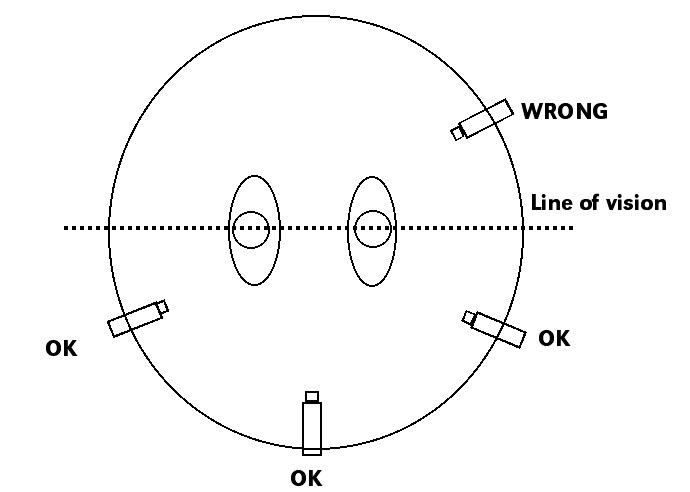
Another affective method of shooting people walking is to stick to the 180-degree rule, the rule states that when film a scene such as this you always stick to a 180 degree radius of the group and to not 'cross the line', by doing this it makes it easier to follow what's going on and keeps the scene in more order. although this rule is affective, it can also work without it with scenes such as Kill Bill and the arrival of O-Ren Ishii into the club, although this scene uses all of the great techniques such as jump cuts with the music and panning of the group it does break the 180-dregree rule which shows that its not always needed in films.
To conclude, the way to shoot people walking is techniques and variety, without these it can get quite boring for the audience in a scene such as introducing a character and it can give the wrong impression of the character. variety is the key as it can make the scene much more interesting and entertaining to watch.
Thursday, 13 September 2012
Subscribe to:
Posts (Atom)